Entrepreneurs
Leon Abdullah El-Alamin: Leading Change Through Second Chances

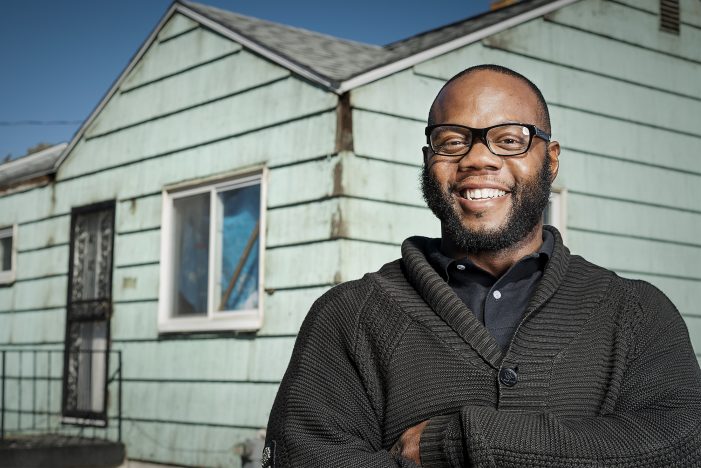
“Your starting point does not define your destination.”
For Leon Abdullah El-Alamin, Founder and Executive Director of The MADE Institute, this belief is more than a motivational phrase—it is the foundation of his life’s work. Through his organization, he is helping individuals impacted by violence, poverty, and mass incarceration rebuild their lives and reclaim their futures.
From Flint to a Mission of Transformation
Born and raised in Flint, El-Alamin grew up in an environment shaped by economic hardship, systemic inequality, and community instability. Like many young people in underserved neighborhoods, he was influenced by the realities around him. However, witnessing the long-term damage caused by drugs, incarceration, and structural injustice forced him to confront a defining question: continue the cycle or break it.
Choosing transformation over defeat, he committed himself to becoming part of the solution rather than a product of the problem. That decision marked the beginning of a journey centered on advocacy, leadership, and empowerment.
Education as a Catalyst for Change
For El-Alamin, education became a tool for liberation. Guided by spirituality and a strong sense of community responsibility, he began focusing on the structural issues affecting marginalized populations—racial profiling, the school-to-prison pipeline, economic exclusion, and systemic injustice.
He recognized that addressing these challenges required more than awareness; it required organized action. That vision led to the creation of The MADE Institute, where “MADE” stands for Money, Attitude, Direction, and Education—four pillars designed to guide individuals toward stability and self-sufficiency.
The MADE Institute: Rebuilding Lives
The MADE Institute operates as a community development and reentry organization serving individuals who have experienced incarceration, violence, or high-risk environments. Its mission is rooted in providing comprehensive, trauma-informed programming that supports personal and professional growth.
Unlike traditional programs that focus solely on employment placement, MADE takes a holistic approach. Services include:
- Workforce development and job readiness training
- Transitional housing support
- Financial literacy education
- Urban farming initiatives
- Health and wellness programming
- Mentorship and advocacy
The goal is not just to help participants find jobs, but to equip them with the mindset and life skills necessary for long-term success.
The Life Skills Program: A Structured Path to Growth
One of the organization’s flagship offerings is its 10-phase Life Skills Program, typically spanning 12 to 14 weeks. Designed for individuals of various ages and backgrounds, the program emphasizes both practical and personal development.
Participants learn:
- Resume building and professional communication
- Workplace etiquette and presentation skills
- Time management and goal setting
- Emotional regulation and conflict management
- Financial planning and responsible spending habits
The curriculum is structured to promote self-reflection and accountability. El-Alamin believes that true rehabilitation begins with a shift in mindset. By focusing on discipline, organization, and emotional resilience, the program helps participants redefine how they see themselves and their potential.
A Vision for Economic and Community Renewal
Beyond reentry services, The MADE Institute is working toward broader community revitalization. Through initiatives like the SELF-MADE Venture program, the organization aims to transform abandoned properties into hubs for entrepreneurship, cultural engagement, and business incubation in North Flint.
The long-term vision is ambitious: reduce crime by increasing opportunity, create jobs within underserved neighborhoods, and ensure that returning citizens can fully participate in the economic and social life of their community.
MADE also supports individuals during the critical final months of incarceration and continues mentorship after release, helping prevent recidivism and promoting stable reintegration. The organization reports strong success in guiding participants toward productive citizenship—a testament to its structured and supportive model.
Leadership Rooted in Experience and Purpose
El-Alamin’s leadership style is grounded in lived experience. Having witnessed the challenges firsthand, he leads with empathy, discipline, and accountability. He believes that second chances are powerful—but only when paired with structure, support, and self-determination.
His message to aspiring changemakers and entrepreneurs is clear:
- Stay patient.
- Stay persistent.
- Believe in the long-term vision.
Meaningful transformation takes time, and setbacks are inevitable. But with creativity, perseverance, and a clear mission, sustainable impact is possible.
Through The MADE Institute, Leon Abdullah El-Alamin is not only changing individual lives—he is reshaping what community restoration can look like. His work demonstrates that when opportunity meets preparation, even the most challenging beginnings can lead to extraordinary outcomes.
