Entrepreneurs
Gavin M. Faull: Steering Swiss-Belhotel International with Vision, Resilience, and a People-First Philosophy

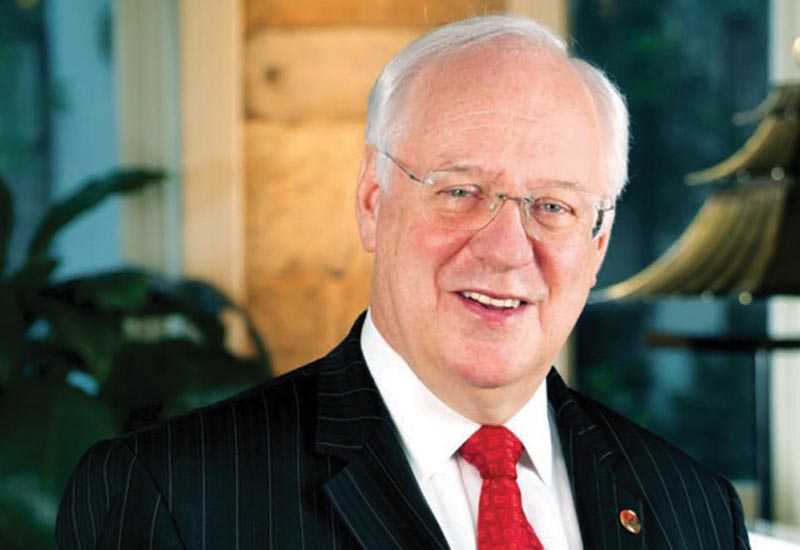
In an industry where service defines reputation and trust defines longevity, Gavin M. Faull has built a leadership legacy grounded in stability, integrity, and human connection. As Executive Director, Chairman, and President of Swiss-Belhotel International, he has guided the company from a modest regional operation into a globally recognized hospitality group spanning multiple continents.
His leadership journey reflects not just corporate growth, but a disciplined commitment to culture, empowerment, and long-term thinking.
From Early Foundations to Global Expansion
Gavin’s career began with the Peninsula Group in Hong Kong, where he developed a strong understanding of structured operations and refined service standards. Swiss-Belhotel International, founded in 1987 by Peter Gautschi, initially managed only three hotels across China, Singapore, and Taiwan. The brand’s distinctive identity combined Swiss organizational precision with Asia’s natural warmth in hospitality.
A defining moment came in 1999 when Gavin, alongside his partner James Tam, acquired the company from its founder. This transition marked a shift from operational leadership to full strategic responsibility. From that point forward, his mission became clear: preserve the brand’s foundational values while scaling it sustainably across global markets.
Under his guidance, Swiss-Belhotel International expanded steadily, entering new territories while maintaining consistency in service culture and operational standards.
Leadership Built on Empowerment and Trust
At the core of Gavin’s philosophy is empowerment. Rather than relying on rigid control, he believes in establishing a clear strategic direction and allowing teams the autonomy to execute with confidence. In an industry that can easily slip into micro-management due to its attention to detail, his approach emphasizes trust and accountability.
Two principles define the organization’s culture: Passion and Professionalism. These values extend beyond branding; they shape decision-making, team engagement, and long-term planning. For Gavin, hospitality is not merely about managing assets — it is about cultivating communities where staff and guests feel valued.
His leadership style is steady and composed. Emotional intelligence, consistency, and active listening are qualities he considers essential for sustainable leadership.
Navigating the Industry’s Greatest Test
The global pandemic represented one of the most significant challenges in modern hospitality history — and arguably the most demanding chapter of Gavin’s career. As travel restrictions halted international tourism and revenue streams tightened, the company was forced to adapt quickly to unprecedented operational realities.
Beyond financial strain, the emotional toll on teams across regions weighed heavily. Decisions involving salary reductions, temporary closures, and structural adjustments required difficult judgment calls. At one point, Gavin made the deeply personal decision to sell key family assets to help stabilize operations during the crisis.
That period reinforced a fundamental belief: leadership during crisis must remain people-centered. While operational recovery was essential, maintaining empathy and transparency was equally important. For Gavin, resilience meant protecting relationships and preserving culture even under extreme pressure.
Balancing Innovation with Identity
The hospitality sector continues to evolve, shaped by labor challenges, digital transformation, and changing guest expectations. Gavin’s approach to agility focuses on two pillars: talent development and smart technology integration.
Swiss-Belhotel International invests heavily in training and internal mobility, preparing its teams to thrive in increasingly complex and competitive markets. At the same time, the company has begun integrating AI and advanced analytics into corporate and operational systems.
However, technology serves as an enabler — not a replacement. The guest experience remains fundamentally human. Digital tools enhance efficiency and productivity, allowing staff to dedicate more attention to meaningful guest interactions.
This balance ensures that modernization strengthens the brand without diluting its identity.
The Power of Presence and Mentorship
Gavin believes effective leadership requires visibility. Regular visits to properties, conversations with team members, and firsthand observation of guest experiences are essential parts of his routine. Leadership, in his view, cannot exist solely in boardrooms.
Mentorship has also shaped his career. Guidance from senior leaders and advisors provided perspective during both growth phases and crises. Today, he emphasizes developing future leaders within the organization, encouraging cross-property learning and continuous development.
For Gavin, legacy is not defined only by expansion metrics, but by the strength of the people who carry the brand forward.
Culture as the Cornerstone of Growth
One principle has remained constant throughout his career: culture precedes strategy. Financial plans and expansion targets matter, but without aligned teams and shared values, long-term growth cannot be sustained.
Trust, recognition, and consistency form the backbone of Swiss-Belhotel International’s organizational framework. These elements build credibility — internally and externally — and protect the brand during times of uncertainty.
Looking Ahead
As Swiss-Belhotel International continues expanding across Asia-Pacific, the Middle East, Greater China, Australia, and New Zealand, Gavin remains focused on measured, strategic development. New management alliances and partnerships are set to strengthen the brand’s presence in high-potential markets.
Yet despite global expansion and digital transformation, his leadership approach remains unchanged: lead with clarity, act with courage, and prioritize people above all else.
Gavin M. Faull’s journey illustrates that hospitality, at its core, is about relationships. In a world increasingly influenced by automation and rapid change, his steady, people-first leadership serves as a reminder that the most enduring brands are built not only on systems and strategy, but on trust and human connection.
